
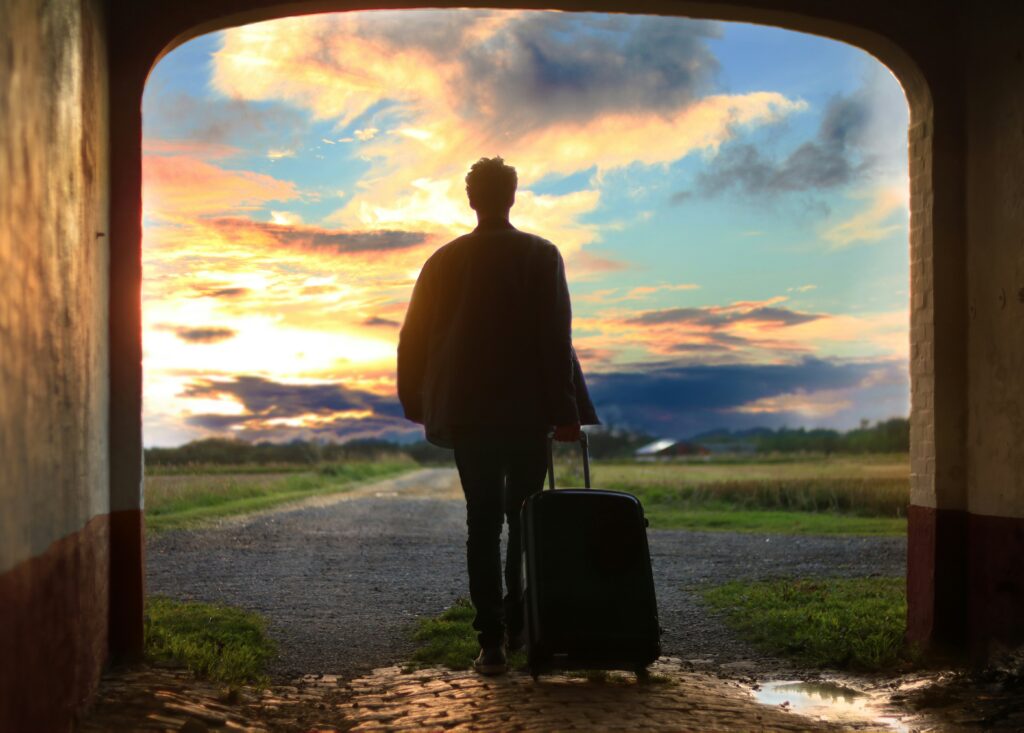
I encourage almost all of my clients to travel with only a carry-on.
Most people assume that’s because I don’t like waiting at baggage claim. They’re not wrong—I do enjoy walking straight out of the airport while everyone else is waiting for their suitcases to appear.
But that’s not the real reason.
The real reason is that traveling with a carry-on buys freedom.
It means you don’t have to wonder whether your luggage made the connection. It means you can change trains without dragging two giant suitcases behind you. It means you’re more likely to walk ten minutes to your hotel instead of waiting for a taxi. It means you’re responsible for your own belongings instead of depending on a baggage system, a porter, or the kindness of strangers to get them from one place to another.
In other words, a carry-on doesn’t just make travel lighter. It makes travel simpler.
I’ve noticed the same pattern over and over again in almost every part of travel planning. The best travel decisions aren’t the ones that prepare you for every possible situation. They’re the ones that buy you more freedom once your trip begins.
Freedom starts before you leave home.
A few years ago, I had clients flying from O’Hare during one of Chicago’s notorious winter storms. Like many travelers, they had packed large suitcases because they assumed someone would always be there to help with them. At the destination there would be hotel staff. At the airport there would be luggage carts. At home there would be family.
Until there wasn’t.
Their flight was disrupted, they had to change terminals, and suddenly they found themselves dragging enormous suitcases through a crowded airport in the middle of a snowstorm. I could picture them trying to wrestle those bags onto escalators and the airport train, already stressed by cancellations, rebookings, and the thought of missing their cruise.
The weather wasn’t really the problem. The problem was that their travel plan only worked when everything else worked.
Travel has a way of exposing hidden dependencies. Every extra bag, every unnecessary complication, every decision we postpone until we’re tired and jet-lagged has a way of demanding our attention at exactly the wrong moment. That’s why I’ve become less interested in asking, “What if I need this?” and more interested in asking, “Will bringing this make my trip easier or harder?”
That one question changed the way I travel.
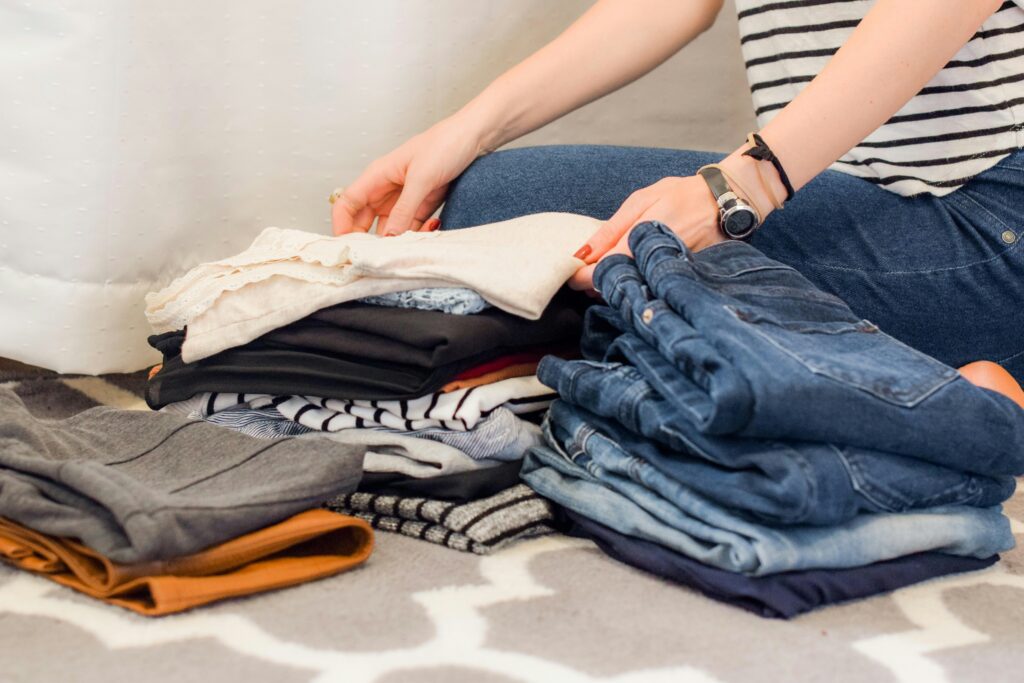
Dress for the traveler you are.
That question applies just as much to your wardrobe as it does to your luggage.
It’s surprisingly easy to pack for the person you hope you’ll become on vacation instead of the person you already are. Maybe this is the trip where you’ll wear linen every day. Maybe you’ll finally discover that you love dresses. Maybe you’ll wear those beautiful shoes that have never actually been comfortable.
In reality, travel usually reinforces our habits rather than changing them. After a full day of navigating train stations, walking through museums, or exploring a new city, most of us reach for whatever feels comfortable and familiar. That’s not a failure of imagination; it’s simply how our brains work when they’re already processing a hundred new experiences. I’ve learned to stop fighting that tendency. Instead of asking who I wish I were on vacation, I ask how I actually live. The answer usually leads to a suitcase that’s smaller, more versatile, and far easier to manage.
Every item should earn its place.
Once you’ve accepted that you’re packing for your real life rather than your fantasy vacation self, the next question becomes much simpler.
What job is this item going to do?
A sweater that works on the airplane, in a chilly museum, and over dinner has earned its place. Shoes that are comfortable enough for a day of sightseeing but polished enough for a nice restaurant have earned theirs too. An outfit that only works for one very specific possibility has a much harder case to make.
This isn’t really about fitting everything into a carry-on. It’s about creating a wardrobe where the pieces work together so well that you stop thinking about them. Fewer choices in the morning means more attention available for the things you actually came to see.
Ironically, I don’t think the carry-on changed the way I packed…
I think it changed the way I made decisions.
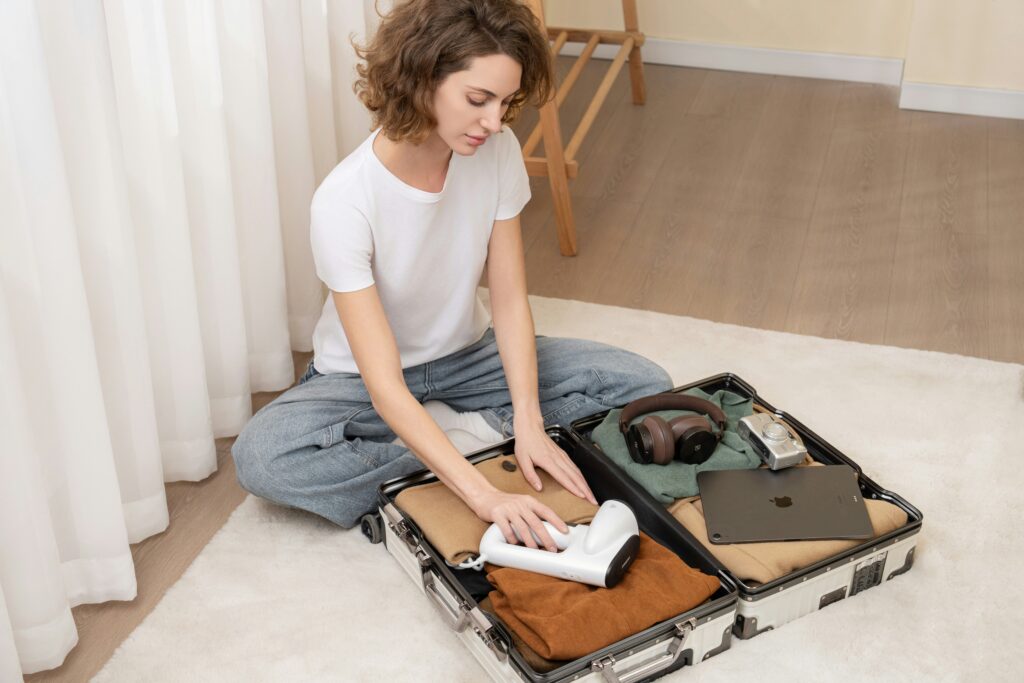
Pack for the likely, not the possible.
Our brains are wonderfully creative when it comes to imagining unlikely scenarios. What if the weather is colder than expected? What if we decide to eat somewhere much fancier than we planned? What if I suddenly need one more sweater, another pair of shoes, or an extra outfit?
Those things can happen…but they usually don’t.
One of my favorite travel memories happened because I hadn’t prepared for every possible scenario.
My mom and I were flying home from Paris when the airline offered a generous travel credit to anyone willing to take the next day’s flight. We looked at each other, decided an extra day in Paris sounded pretty wonderful, and watched my dad head home without us.
Then we realized something…we had packed to go home. We only had our carry-ons with us, and we literally didn’t have any clean underwear.
So we took the RER back into the city and spent the afternoon at La Samaritaine. We wandered through one of Paris’s beautiful department stores trying to decipher French lingerie sizes, laughing at the absurdity of the situation. Since we were already there, we explored parts of the store we otherwise would have skipped and wandered up to the rooftop terrace for one more spectacular view over the city.
It wasn’t sightseeing, exactly. It was just…living in Paris for an afternoon.
That experience reminded me that I’m not traveling to an empty island. I’m traveling to places where people live real lives. If I unexpectedly need a sweater, an umbrella, or yes, even underwear, there’s a very good chance I can find it. And sometimes solving that small problem gives me an experience I never would have planned.
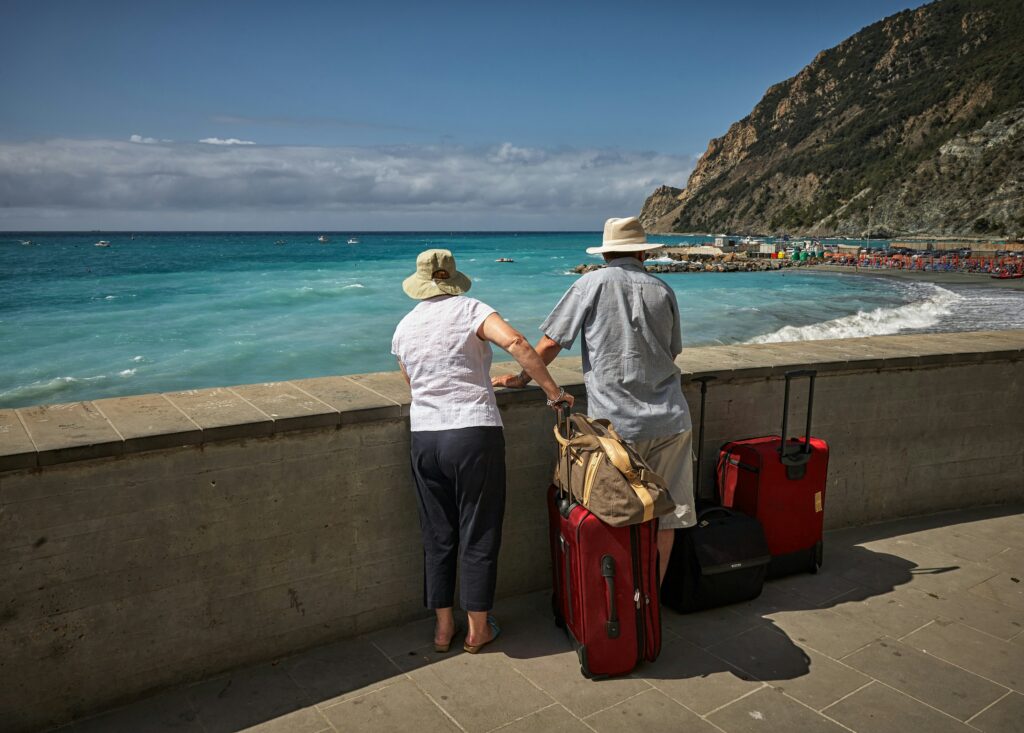
Good planning buys freedom.
Some people hear all of this and assume I’m advocating for less planning.
It’s actually the opposite.
I believe deeply in planning ahead. I make restaurant reservations. I reserve timed-entry tickets. I download offline maps. I organize confirmations before I leave home. I spend time thinking about my wardrobe instead of throwing random clothes into a suitcase the night before.
But I don’t do those things to control the trip…I do them to free myself from thinking about them later.
Good planning isn’t about eliminating uncertainty. Travel will always surprise you, and that’s part of the joy of it. Good planning simply removes the predictable sources of friction so you have more energy, more flexibility, and more attention available for the unexpected.
Whether it’s a thoughtfully packed carry-on, a wardrobe where every piece earns its place, or a reservation that lets you walk past a two-hour line, the goal is the same.
Good planning buys freedom.
Buy that freedom before you leave home.
Then spend it generously once you arrive.